


You are here:
>

Restaurant menus
The first impression of your kitchen
A menu presents your food offering and shapes the customer experience before the first dish even arrives at the table. Its readability, structure, and presentation influence what customers order and how they see your establishment.
The format adapts to how it’s used: a laminated card for repeated use in the dining room, a printed sheet for a daily menu that changes often.
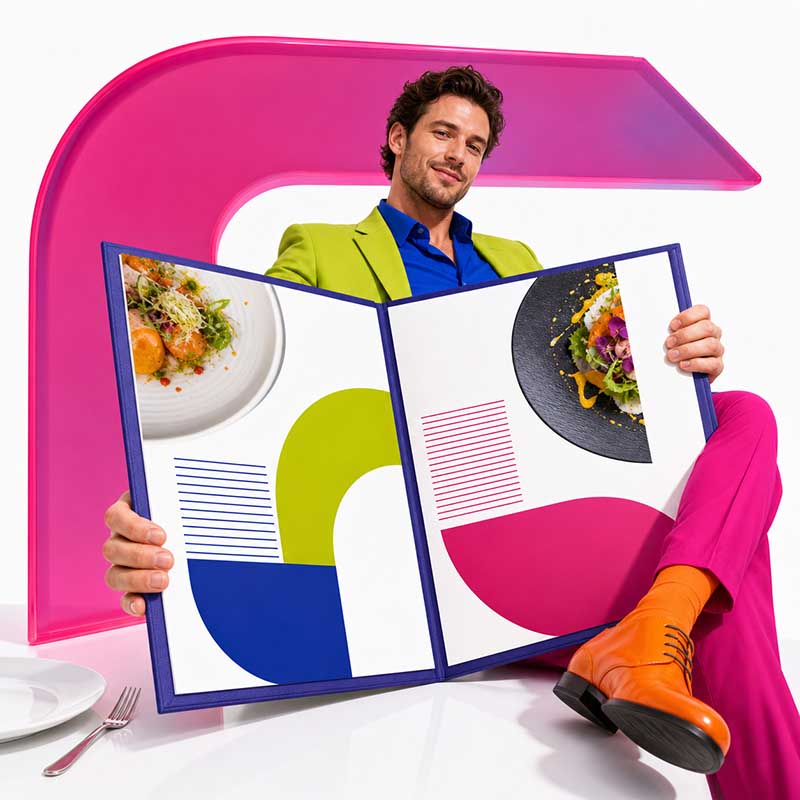
The advisual method

1
Choice of format and material (rigid card, sheet, table stand…)
2
Layout organized by category (starters, mains, desserts…)
3
Choice of paper and finish (lamination, coating…)
4
Small or large print runs
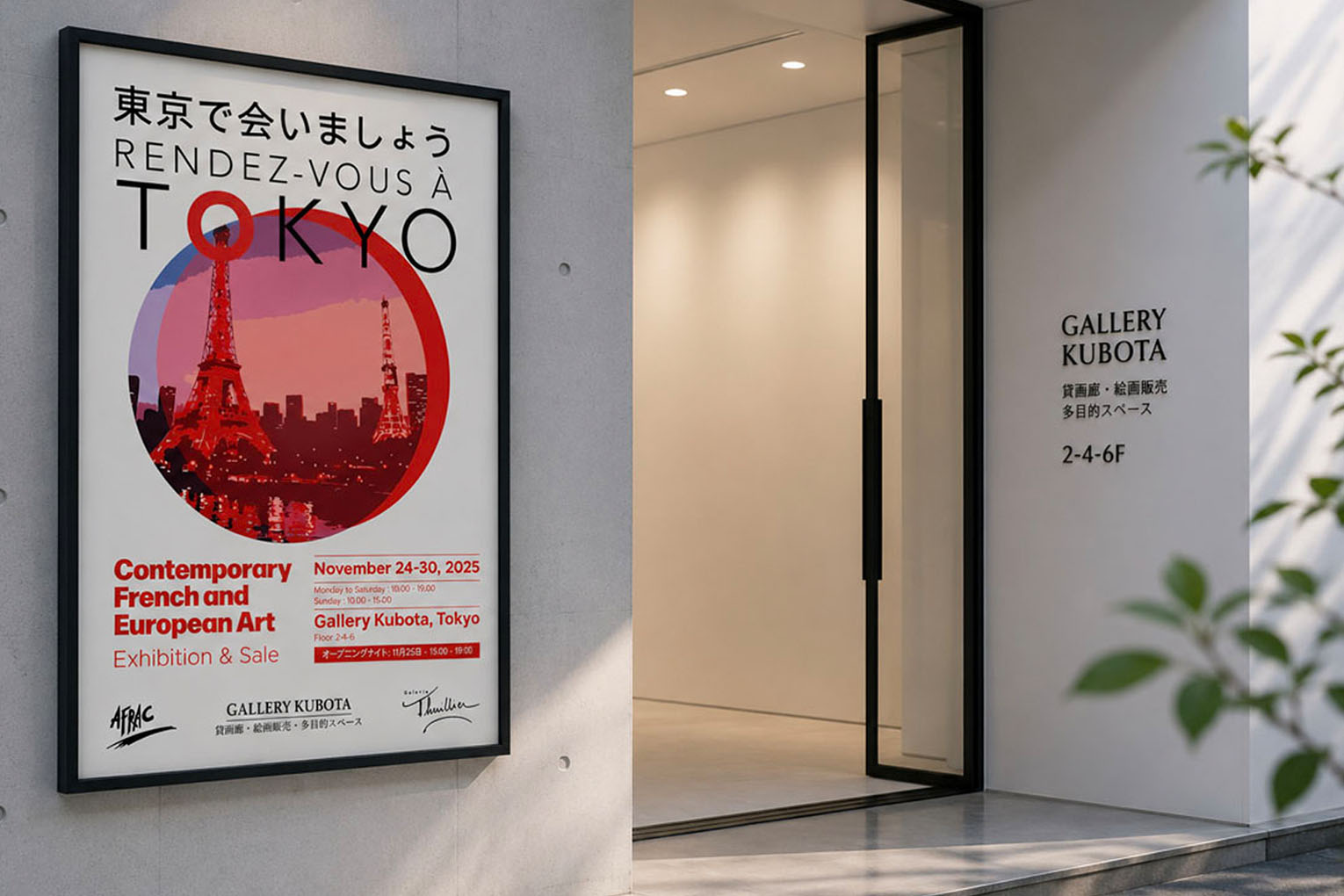
Selected works
A glimpse of what we create
XXXXX
Business cards
XXXXX
Business cards
XXXXX
Business cards
A project in mind?
Let’s create something memorable
*monday-friday / 8.00-17.00 / Luxembourg time

Material matters
Two print directions we love, each with its own character.

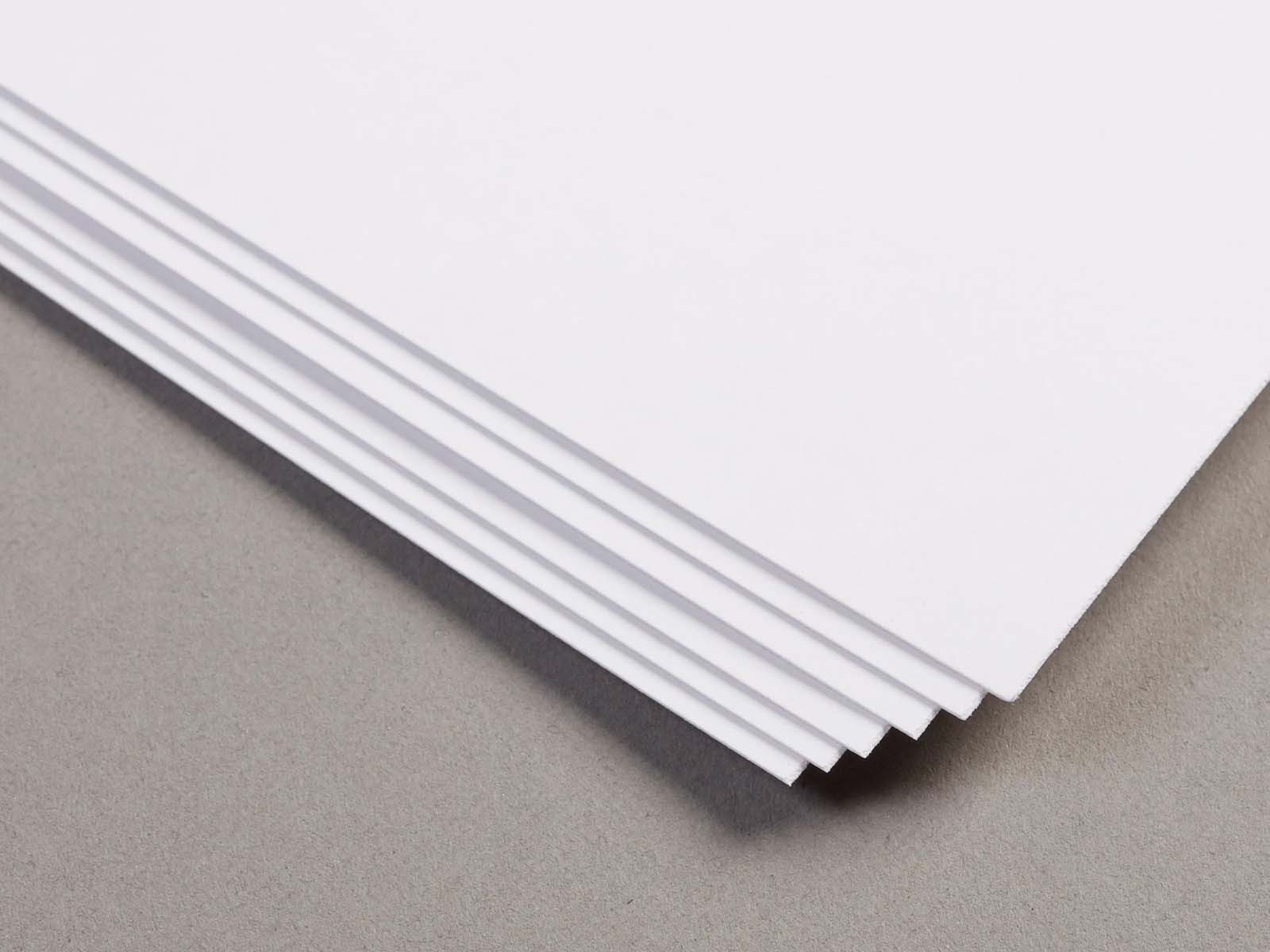
450 gsm Bristol board paper
for a smooth, matte finish with a crisp, contemporary feel.
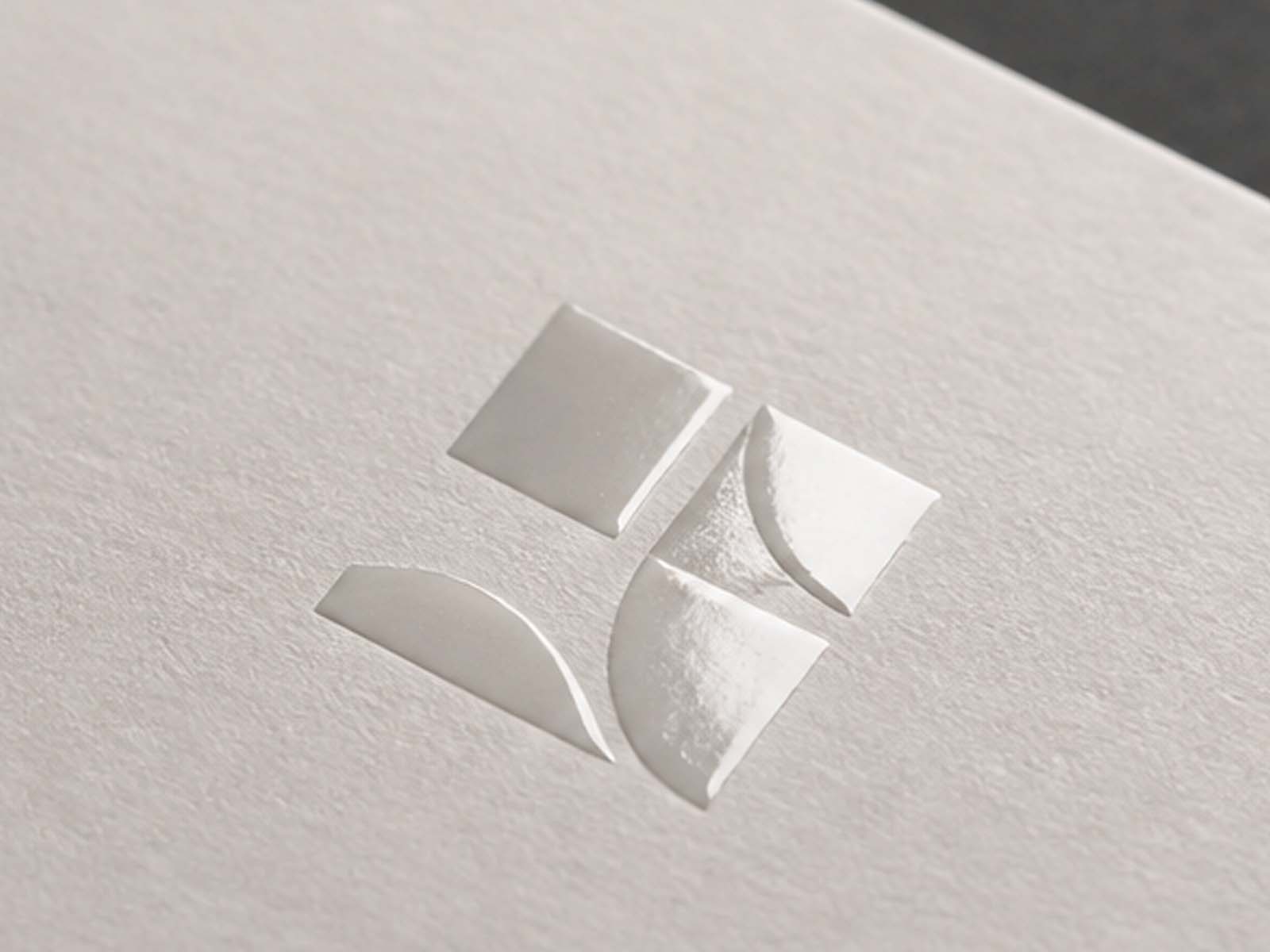
Gloss spot UV over a full matte lamination
to create contrast and make the logo stand out.

FAQ
Everything you need to know before we get started.
Your question isn’t covered here? Just ask us.
It depends on how often it changes and how it’s meant to feel. A sheet in a protective sleeve suits a menu that updates often, since only the insert needs reprinting, while a bound booklet suits a more fixed, elevated menu.
Considerably, a menu gets touched, wiped, and occasionally spilled on far more than most printed pieces, so a protective finish extends its life well beyond an uncoated sheet.
Mainly through contrast and spacing, prioritizing legibility over decorative typography, since a menu read in dim light needs to work without anyone straining to see it.
Yes, how dishes are grouped and ordered affects what people choose, so we often help think through that structure alongside the layout.
You might also like…
Let’s work together!